How Does Safety-Pilot Time Work in a Pilot Logbook?
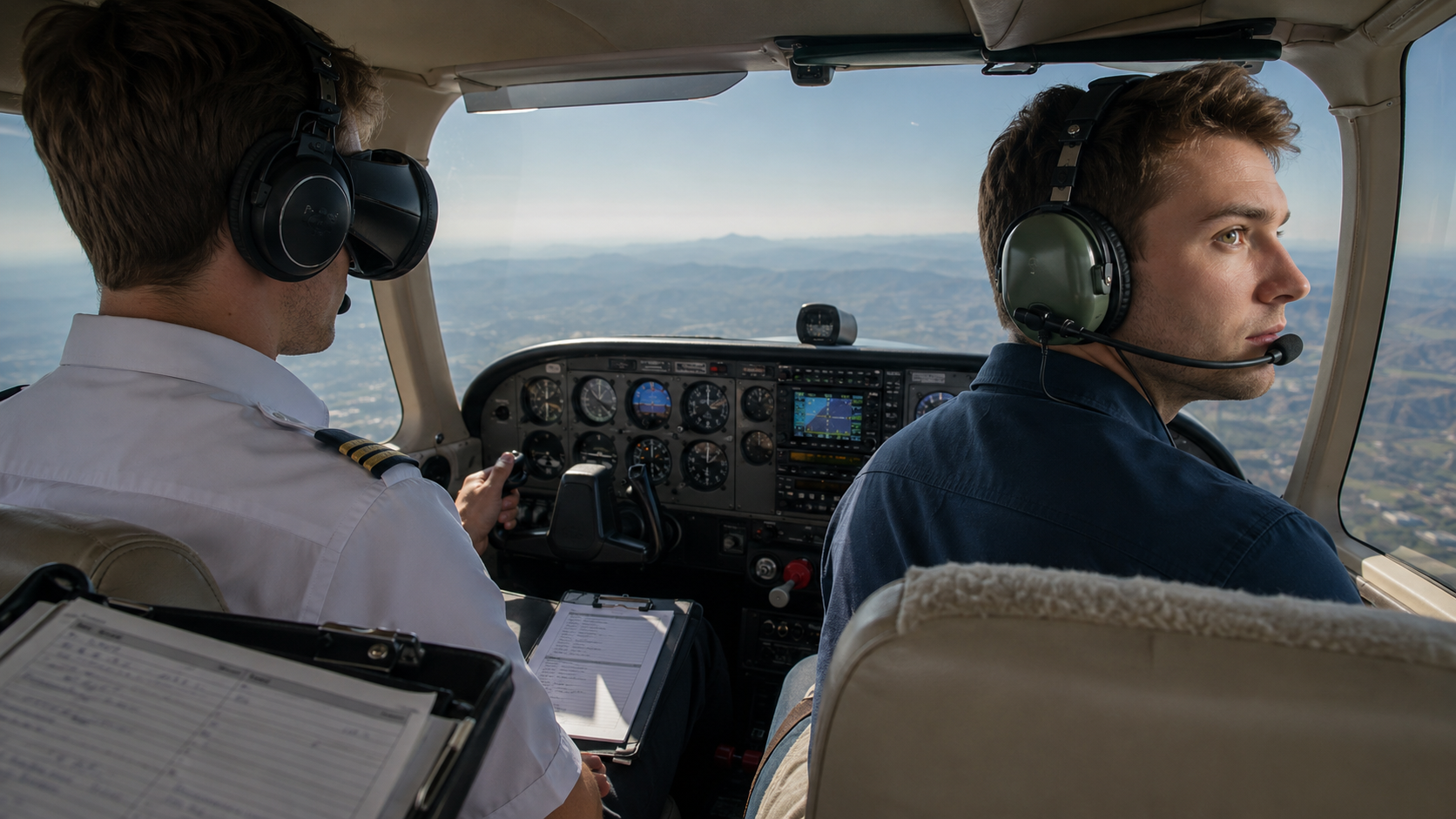
Safety pilot time is one of the most commonly misunderstood entries in a pilot logbook. Two people are flying, only one is under the hood, and both of you need to walk away with an entry that's actually legal to log. Get it wrong, and it's exactly the kind of thing a DPE, an airline records reviewer, or an FAA inspector will catch during a review.
Here's exactly how it works, straight from the regulation.
When Do You Even Need a Safety Pilot?
A safety pilot is required under 14 CFR § 91.109(b) any time a pilot operates an aircraft in simulated instrument conditions — meaning under a view-limiting device (foggles, a hood, or similar) in visual conditions. The safety pilot's job is to serve as a required crewmember, watching for traffic and hazards that the pilot under the hood can't see.
To legally act as a safety pilot, the FAA requires that person to:
Hold at least a private pilot certificate with the appropriate category and class rating for the aircraft being flown
Hold a current medical certificate, or qualify under BasicMed where applicable
Occupy a control seat with an operable set of flight controls available
This isn't optional paperwork — it's a regulatory requirement, and it directly affects what goes in both pilots' logbooks.
What the Flying Pilot Logs
The pilot under the hood — the one actually manipulating the controls under simulated instrument conditions — logs:
Simulated instrument time, since they're operating the aircraft solely by reference to instruments under § 61.51(g)(1)
PIC time, if they're the sole manipulator of the controls and rated in the aircraft, per § 61.51(e)
An instrument approach, if one was flown, along with the location and type of each approach, which is required under § 61.51(g)(3) for it to count toward instrument currency under § 61.57(c)
What the Safety Pilot Logs
The safety pilot's entry depends on their role, but there are two common outcomes:
SIC time, since the flight requires a required crewmember by regulation (§ 91.109), which satisfies the "more than one pilot required" condition under § 61.51(f)(2)
PIC time instead, if the two pilots agree the safety pilot is the one acting as PIC for the flight (responsible for the operation under § 91.3), even though they aren't manipulating the controls
What a safety pilot generally cannot log is instrument time. Instrument time is reserved for the pilot actually operating the aircraft by reference to instruments — simply watching for traffic from the right seat doesn't qualify, even during the same flight.
The One Entry Pilots Forget: The Safety Pilot's Name
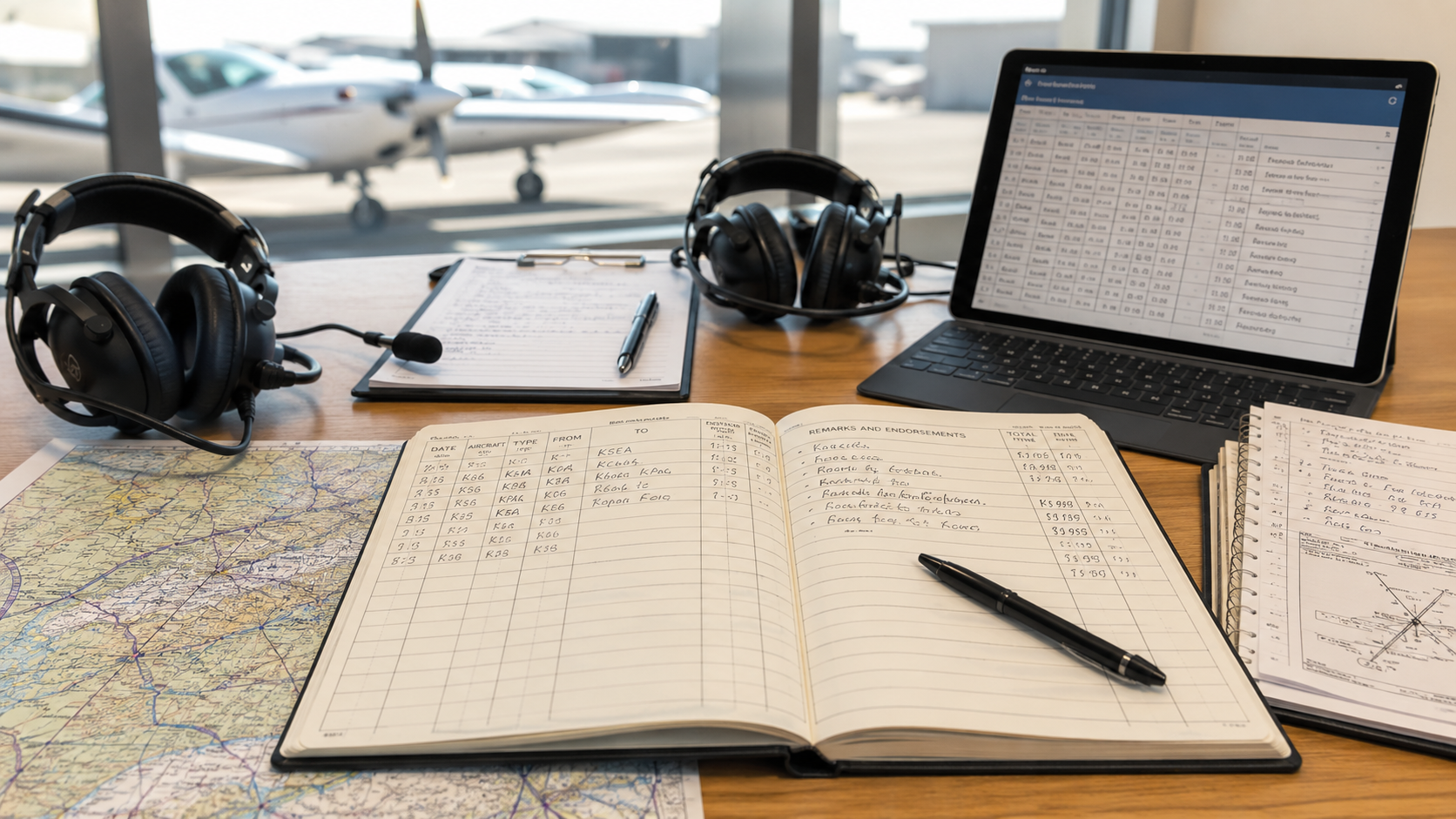
This is the detail that trips people up. Under § 61.51(b)(v), the name of the safety pilot is a required logbook entry whenever one is used under § 91.109. It's not a nice-to-have — it's the same category of requirement as logging the date or the aircraft type.
A simulated instrument flight logged without the safety pilot's name is a logbook entry that's missing a required field. If it also gets logged toward instrument currency under § 61.57(c), the location and type of each approach need to be there too — "1.2 hours simulated instrument" with nothing else doesn't meet the standard.
This is exactly the kind of gap that's easy to miss for months or years and then surfaces all at once — usually during an airline records review, right when you least want it found. It's one of several patterns we cover in Common Pilot Logbook Mistakes That Raise Red Flags in an Airline Interview.
Why This Matters More Than It Seems
Safety pilot time doesn't just sit quietly in your logbook. It shows up in two places that get scrutinized hardest:
Instrument currency, if you're using those approaches toward your recent experience under § 61.57(c) — an incomplete entry can mean you're not actually current, even though you flew the approaches
Airline and interview reviews, where recruiters cross-check SIC and PIC totals against the flights that generated them, and a safety-pilot flight with no name on it — or an SIC total that doesn't reconcile against actual multi-pilot flights — is a flag, not a footnote. For the fuller picture on getting your records interview-ready, see How to Prepare Your Pilot Logbook for an Airline Interview.
Individually, one missing name isn't a big deal. Multiplied across dozens of safety-pilot flights over a flying career, it's the kind of pattern a professional logbook audit is specifically built to catch — turning what would otherwise be a five-minute logbook review with a recruiter into a much longer conversation.
Frequently Asked Questions
Can a safety pilot log PIC time? Yes, if the two pilots agree the safety pilot is acting as PIC for the flight and the safety pilot is qualified to act as PIC of that aircraft. If they aren't acting as PIC, they log SIC instead, since the flight requires a required crewmember under § 91.109.
Does the safety pilot need an instrument rating? No. A safety pilot's job is to watch for traffic and hazards, not to fly the approach. There's no instrument rating requirement in § 91.109 for the safety pilot role itself.
Is logging the safety pilot's name really required, or just recommended? It's required. § 61.51(b)(v) specifically lists the safety pilot's name as a required logbook entry whenever one is used under § 91.109.
Can the safety pilot log instrument time too? No. Instrument time can only be logged by the pilot operating the aircraft solely by reference to instruments under § 61.51(g)(1). The safety pilot isn't doing that, even though they're a required crewmember for the flight.
Safety pilot entries are one of the most common gaps we find in a logbook review — a missing name here, an approach logged without location and type there. None of it is usually intentional, but it's exactly what an airline reviewer or DPE is trained to notice. If you want your logbook checked before someone else finds the gaps, a PilotAudit logbook audit catches this kind of thing before it becomes a problem. If you're heading into interviews, our pilot interview logbook prep package reviews and corrects your record, then delivers it as a professionally printed interview logbook in the exact format recruiters expect to see.
